Latest Articles

When it comes to climate policy, Donald Trump may be less of an outlier than bien-pensant Europeans — or their imitators in California and New York — like to think. Tony Blair, not the worst bellwether in certain circles, has now signaled unease over how things are going — for the second time this year. Blair’s argument does not rest on the reality of climate change, but on whether the current approach toward it makes sense. In his view, it does not. Moreover, he warns that “most people” are coming to the same conclusion….

There has been some talk of late that we may have reached peak climate policy madness.
I am not convinced. More on why not on another occasion, but for now consider the new (or, rather updated) report by the would-be food police of the pompously named EAT-Lancet Commission. The Lancet is a once distinguished, now somewhat disreputable and highly politicized medical journal. EAT, which was founded by a Norwegian billionaire, describes itself as the “science-based platform for food system transformation.” Science-based! It “connects and translates science to policy, business and society to make food healthy, fair and sustainable for people and planet.” Science. Or should that be #science?
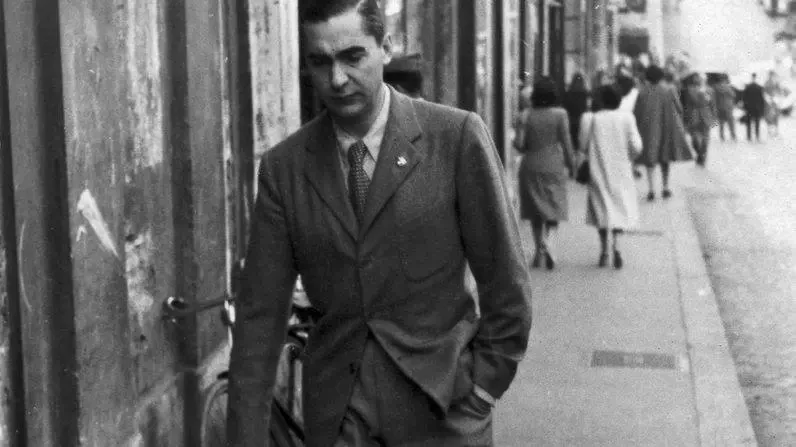
The chameleonic Curzio Malaparte (1898–1957) wore many guises, but it’s as a writer that he is best remembered, so those tackling Maurizio Serra’s impressive Malaparte: A Biography should have read at least Kaputt (1944), the book that is widely considered his masterpiece.1 Having done so would have been more likely in France, where Malaparte is better known than in the United States and where this biography was first published in 2011 as Malaparte, vies et légendes (“Malaparte, Lives and Legends,” a better title) in response to a proposal by a French publisher. It won the Goncourt prize for biography that year.
Malaparte was a notorious narcissist, so I’ll begin by talking about myself…
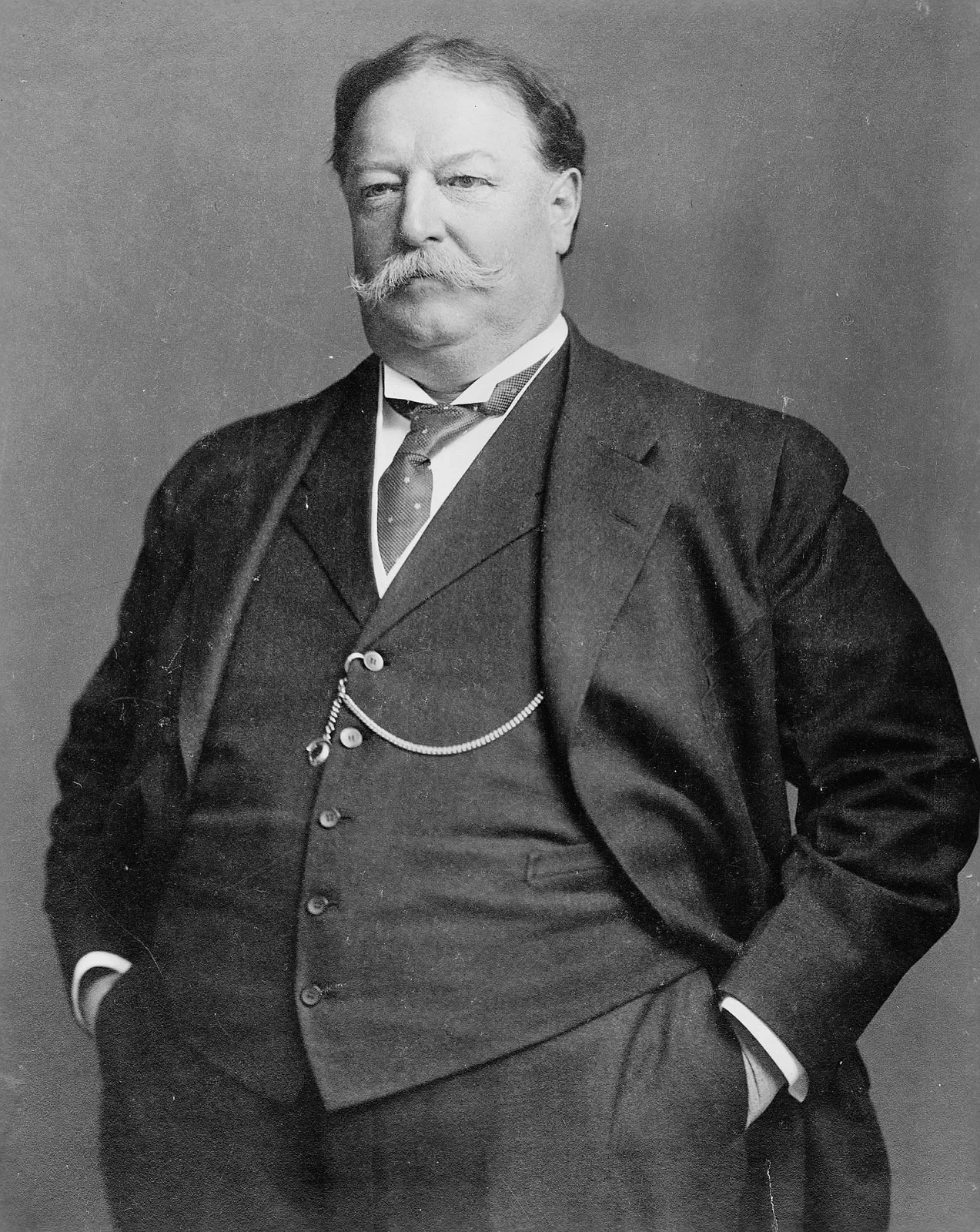
In a recent post, I quoted Capital Matters regular Vladimir Lenin describing the way that the Bolsheviks’ surprisingly successful (under the circumstances) New Economic Policy, a desperate turn to a “mixed” economy to bail out the flailing communist experiment, had worked:
The state is in our hands; but has it operated the New Economic Policy in the way we wanted in this past year? No. But we refuse to admit that it did not operate in the way we wanted. How did it operate? The machine refused to obey the hand that guided it. It was like a car that was going not in the direction the driver desired, but in the direction someone else desired; as if it were being driven by some mysterious, lawless hand, God knows whose, perhaps of a profiteer, or of a private capitalist, or of both. Be that as it may, the car is not going quite in the direction the man at the wheel imagines, and often it goes in an altogether different direction.
The mysterious hand strikes again.
And so to semaglutide, a medication first approved to combat the effects of type 2 diabetes…

The Israel-Iran war has triggered yet another rise in the price of gold. That is no surprise. Gold has been seen as a safe harbor by investors for a long, long time. More interesting is that the price of gold has been strengthening for a while now, something I discussed in a Capital Letter from April 2024. I attributed its strength to, among other factors, worries about inflation, worries about America’s fiscal position, and worries about a tense geopolitical situation. Since then, concern over the latter two has not exactly gone away, and tariff wars have only added to investor jitters. In April 2024, gold was trading at around $2,400, an all-time high. It is now priced at about $3,400, up about 6 percent on the month…

Just beyond the reception area where thrill-seekers or merely the clown-curious can check in at the Clown Motel in Tonopah, Nev., a (mainly) former mining town of about 2,000 in the middle of nowhere, there is a room infested with clowns. They are not for sale, but they line the shelves, sit on the floor, and hang from the ceiling. Please do not touch. What madman would?

Beneath the surface, there have been a few signs and plenty of anecdata that artificial intelligence (AI) may be hitting the jobs market for a while. But harder numbers may now be emerging. Maybe.
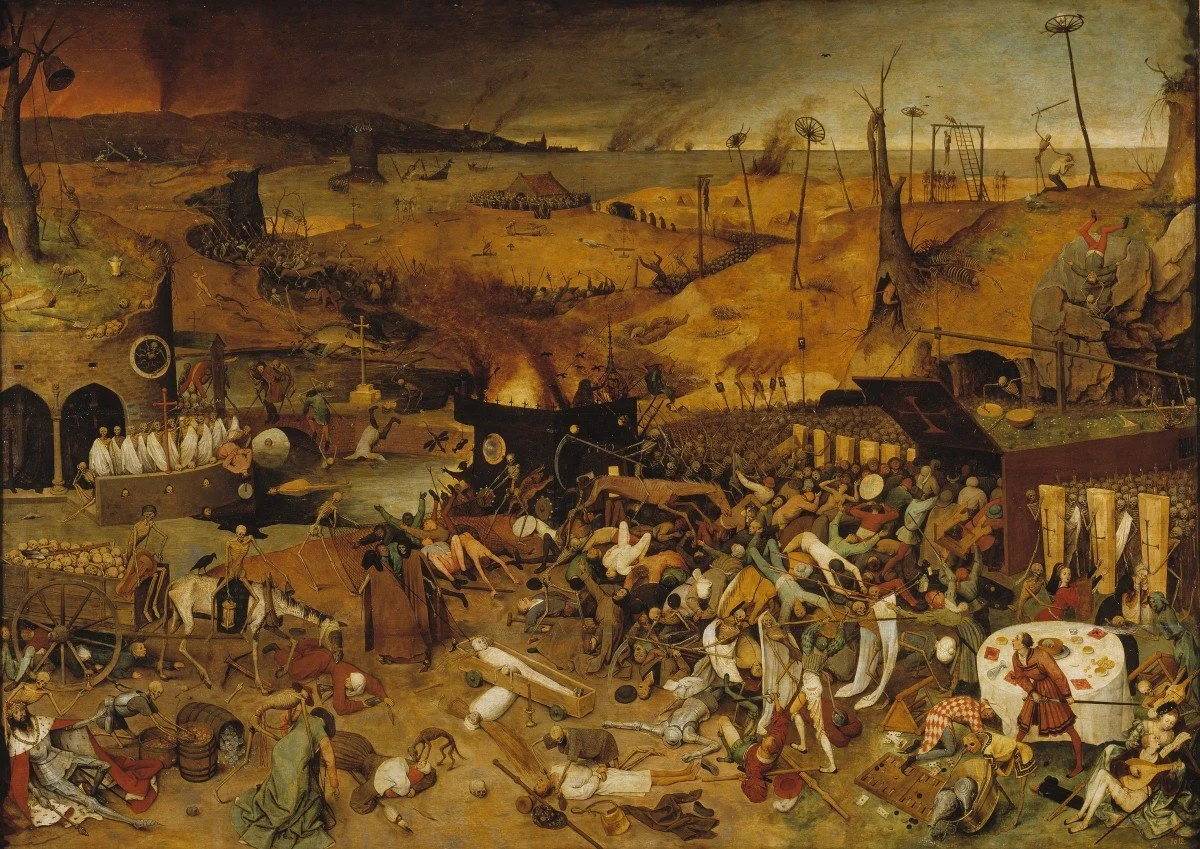
The Black Death, the bubonic plague that tore into England in 1348, was — this should not need saying — a cataclysm. The English had little natural immunity to this terrible disease, which arrived in Europe with the Mongols, either making its debut or for the first time in thousands of years. About 80 percent of those infected died. By the end of this first great wave of infection (others were to follow), England, like many other European countries, had lost around half its population…
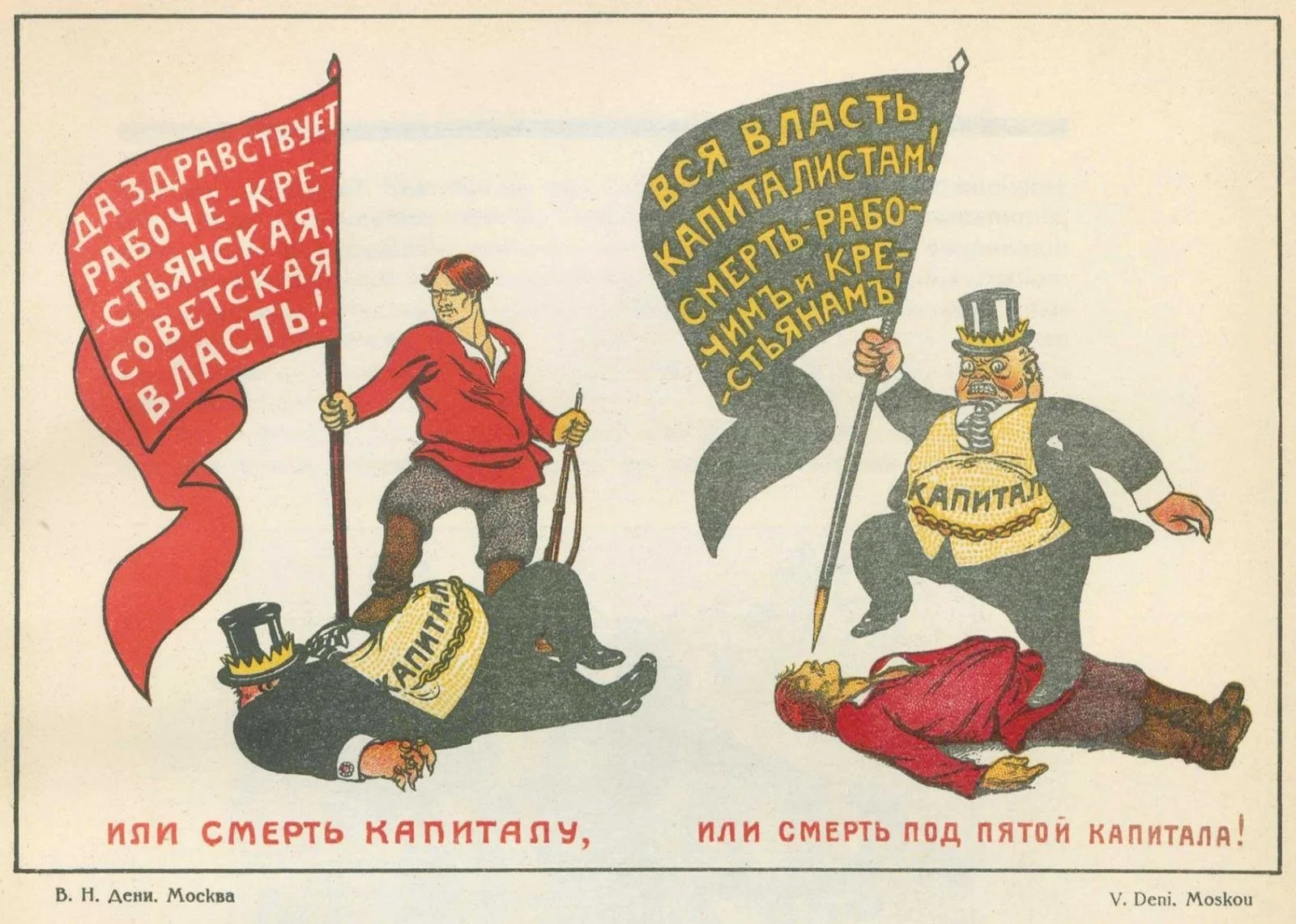
If capitalism had been overthrown as quickly as Karl Marx and Friedrich Engels had at first expected, John Cassidy’s sprawling “Capitalism and Its Critics” would have been shorter and easier to write, if not to sell. But, resilient, protean, abused and occasionally bailed-out, capitalism is still with us, and so are its critics, the latest in a line so long that Mr. Cassidy, who was setting out to tell capitalism’s story (or much of it) through their eyes, was spoiled for choice. Capitalism always provides consumers, and readers, with plenty of what they are looking for.
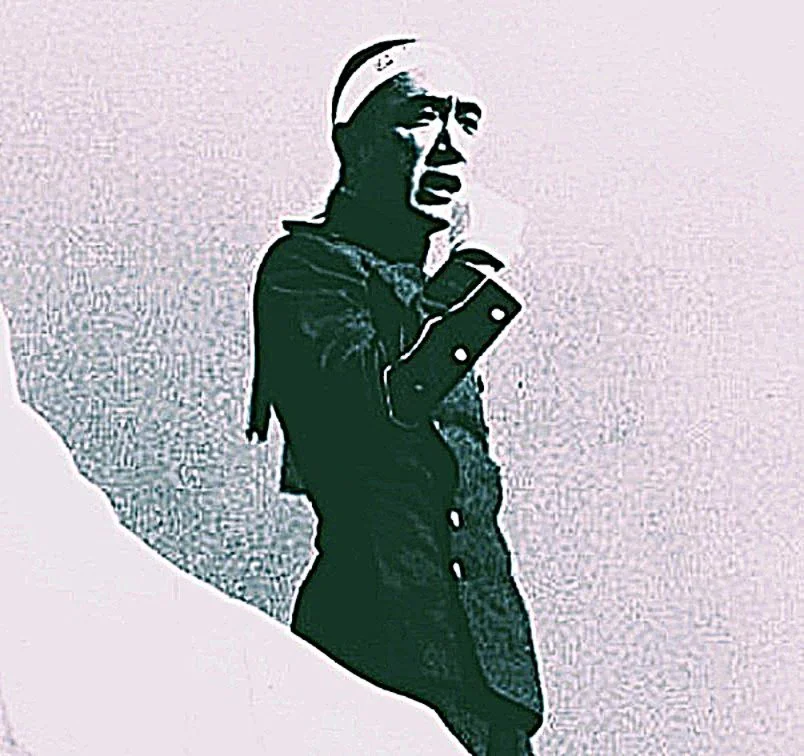
On November 25, 1970, the Japanese writer Yukio Mishima (and four members of his Shield Society, Tatenokai, a private militia manned largely by right-wing university students) seized the general in charge of the Ichigaya military base. After an attempt to free the general was repelled, Mishima was allowed to address the base’s soldiers. But his call, given—in keeping with coup etiquette—from a balcony, to overthrow the constitution and return to an older Japanese order was greeted with jeers, not cheers.
Mishima stepped back inside and committed seppuku, ritual suicide (or, as it was topped off with beheading by a kaishakunin, assisted suicide), which was probably how he had expected the day to end. And that wasn’t so bad. His death wish was satisfied, and, despite the beheading needing some mulligans, he had staged a spectacle so dramatic and freighted with meaning that its memory would endure, he hoped, as an inspiration to future generations.